
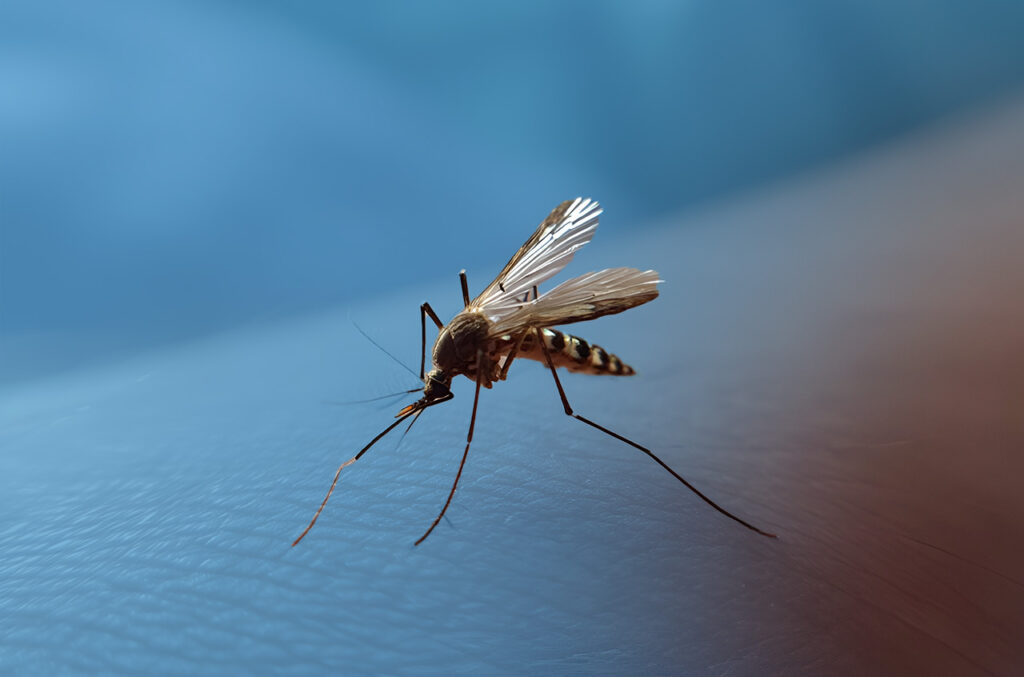
West Nile Virus fragments detected in UK mosquitos
The UK Health Security Agency (UKHSA) has confirmed the detection of West Nile Virus (WNV) fragments in mosquitos collected from Retford, Nottinghamshire — the first time this virus has been identified in UK mosquito populations.
Current risk level remains low
Of 200 mosquito batches tested across the UK, only two tested positive for viral fragments. There have been no recorded cases of locally acquired West Nile Virus in humans in the UK to date.
How is WNV managed in the UK?
UKHSA and partner agencies have implemented control measures including:
- Mosquito surveillance at transport hubs such as ports and lorry parks
- Wetland and flood control to reduce mosquito breeding grounds
- Public health monitoring in high-risk areas
Climate change and vector-borne disease
The detection of WNV reflects a broader trend: vector-borne diseases are expanding their range as climate change makes northern regions warmer and more suitable for mosquito populations.
Employer responsibilities under COSHH
Diseases such as WNV are classed as biological agents under the Control of Substances Hazardous to Health (COSHH) Regulations. Employers must:
- Conduct a COSHH risk assessment if staff may be exposed to disease vectors (e.g. outdoor workers, those handling animals)
- Implement appropriate controls and PPE to reduce risk
- Provide employees with information and training on potential exposure and safe working practices
Which roles might be affected?
While the general public remains at low risk, the following job roles may require additional risk controls:
- Agricultural and farming workers
- Outdoor maintenance and grounds staff
- Veterinary and animal care professionals
- Environmental health or pest control teams
Support with COSHH and disease risk management
If you need help with risk assessments, exposure control or infection control training, we can support you in aligning with COSHH regulations and UKHSA guidance.